
Written by Dr. Jill Shainhouse, ND
Dr. Shainhouse, ND has over 21 yrs experience in clinical practice and has successfully completed board examinations that pertain to integrative cancer care. Her interest in supportive cancer care began as a naturopathic medical student after recognizing the need for naturopathic doctors to provide safe and evidence based supportive advice to patients receiving chemotherapy, radiation, surgery and targeted therapies.
Anti-inflammatory Fats: Omega-3 vs. Omega-6
If you’ve ever struggled with fatigue, joint pain, bloating, or unexplained weight gain, chronic inflammation might be playing a role. While short-term inflammation is a natural part of the body’s healing process, ongoing inflammation can contribute to a range of health issues—from arthritis to heart disease and even depression. The good news? What you eat can make a powerful difference.
What is an Anti-Inflammatory Diet?
An anti-inflammatory diet focuses on whole, nutrient-rich foods that support your immune system and reduce chronic inflammation. Rather than a strict set of rules, it’s more of a lifestyle approach that encourages balance and variety while avoiding processed and inflammatory foods.
It’s similar in many ways to the Mediterranean diet and is rich in:
- Colorful fruits and vegetables
- Whole grains
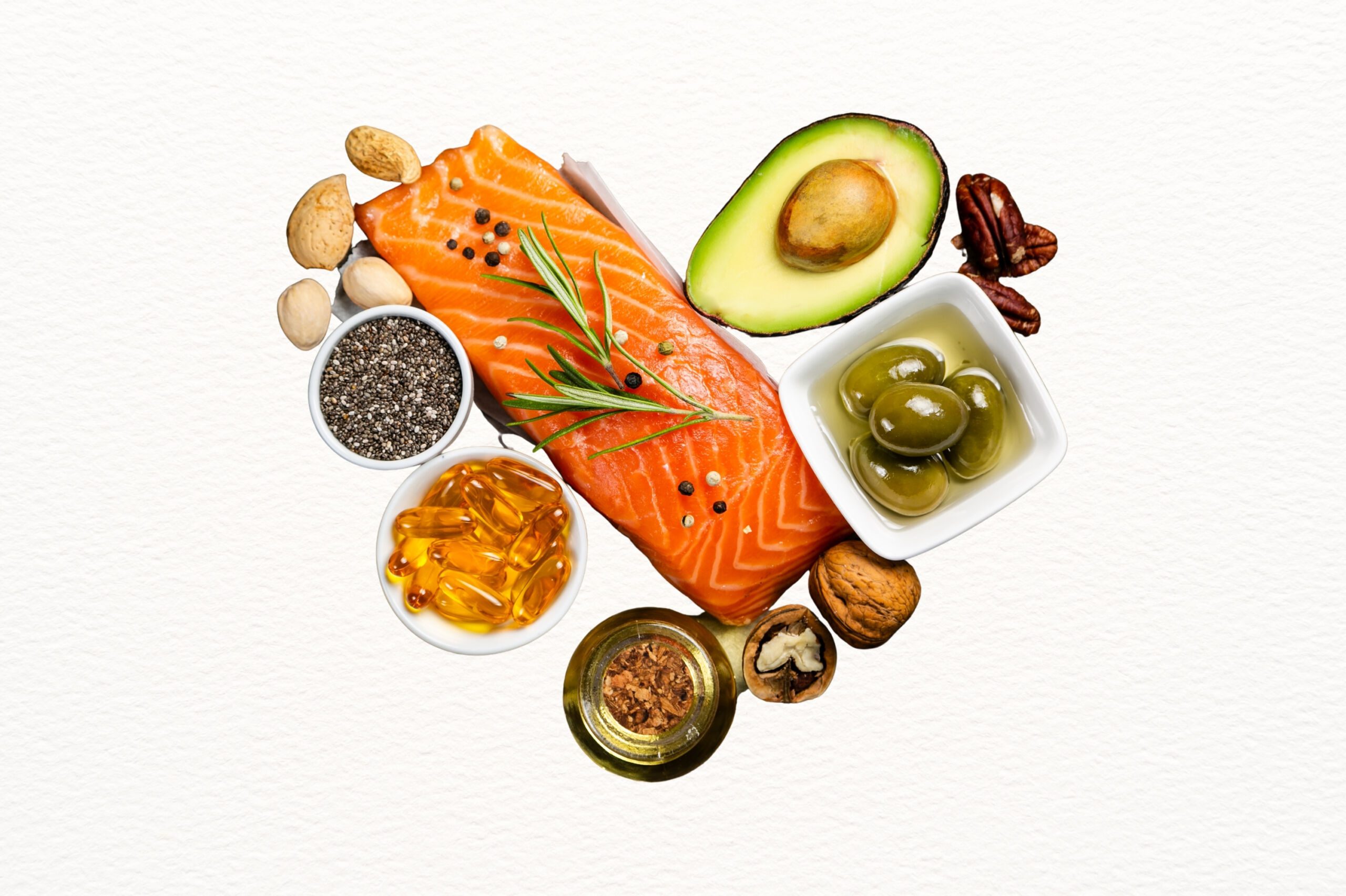
- Healthy fats like olive oil and avocados
- Fatty fish such as salmon and sardines
- Nuts and seeds
- Herbs and spices like turmeric, ginger, and garlic
Omega-3 vs. Omega-6 Fats: Why Balance Matters
Fats play a huge role in inflammation—some calm it down, while others can stir it up.
Omega-3 fatty acids are well-known for their anti-inflammatory properties. These are found in foods and supplements like:
- Fatty fish (salmon, mackerel, sardines)
- Flaxseeds and chia seeds
- Walnuts
- Algae-based supplements (especially for vegetarians/vegans)
- Fish oils
On the other hand, Omega-6 fatty acids, while essential in small amounts, can become pro-inflammatory when consumed excessively. These fats are found in:
- Vegetable oils like corn oil, sunflower oil, safflower oil, and canola oil
- Processed snack foods
- Fast food and fried items
The Western diet tends to be very high in omega-6s and low in omega-3s, which can promote chronic inflammation. Shifting this ratio by increasing omega-3 intake and reducing processed vegetable oils can have a big impact on your health.
Sample One-Day Anti-Inflammatory Menu
- Breakfast: Overnight oats with chia seeds, blueberries, walnuts, and a drizzle of honey
- Lunch: Grilled salmon salad with mixed greens, cherry tomatoes, cucumber, olive oil, and lemon dressing
- Snack: Apple slices with almond butter
- Dinner: Quinoa bowl with roasted sweet potato, broccoli, chickpeas, and tahini dressing
- Drink: Turmeric tea or water with lemon and fresh ginger
Conclusion
An anti-inflammatory diet is more than a food trend—it’s a long-term approach to health and vitality. By eating more whole, nourishing foods and also being mindful of fat sources—choosing omega-3s over excessive omega-6s—you can help your body naturally reduce inflammation.
Start small, stay consistent, and and your body will thank you in time.