
By Dr. Nadine Kexel, ND
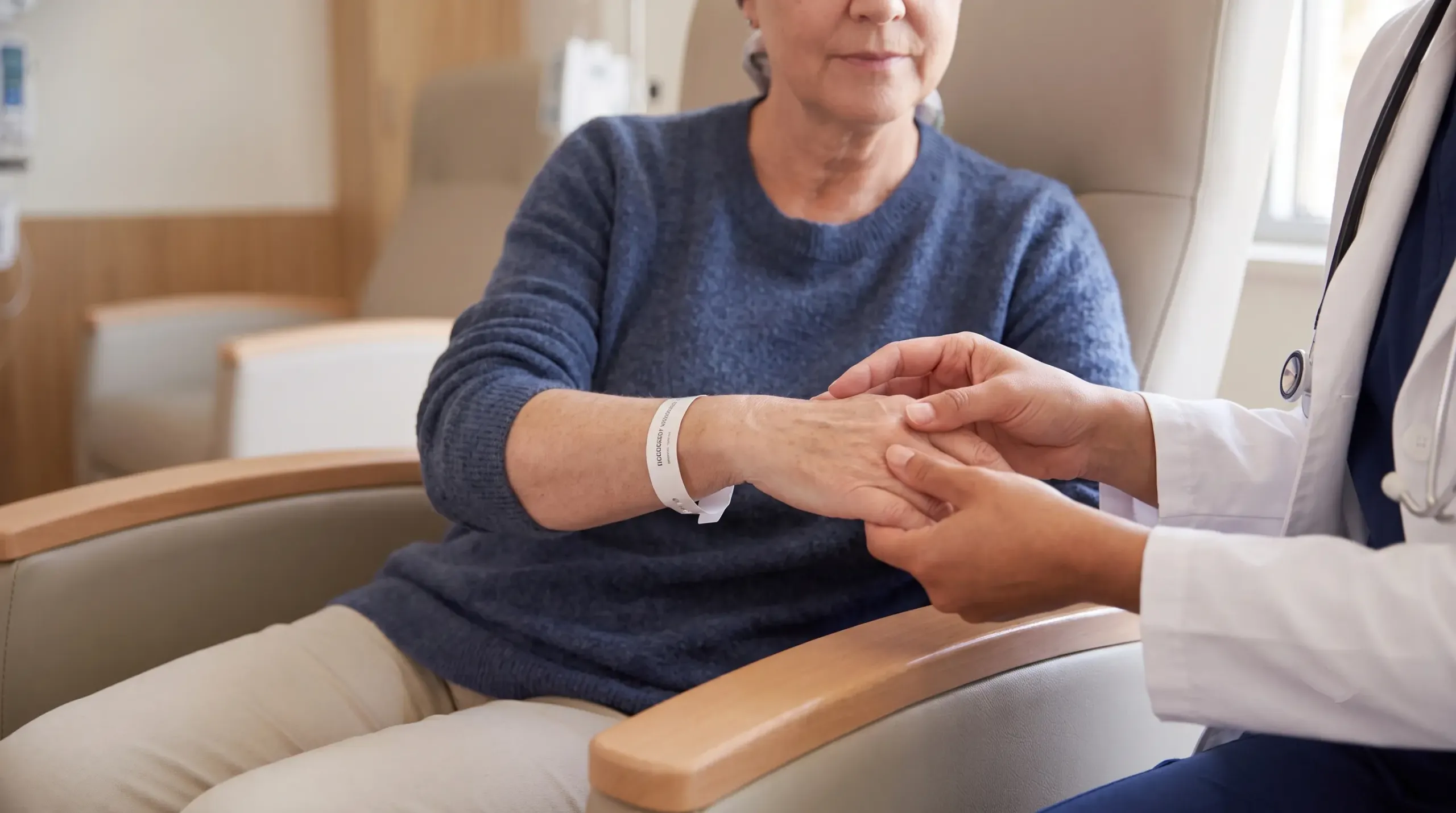
Cancer treatment can bring many unexpected changes to your body. For some people, one of the most frustrating is neuropathy- a condition that can cause numbness, tingling, pain, weakness, or changes in balance and coordination.
These symptoms may start gradually or appear suddenly. They can affect simple daily activities such as buttoning a shirt, typing on a keyboard, walking confidently, or getting a good night’s sleep. While neuropathy can be challenging, understanding what is happening and knowing what treatment options are available can help you take meaningful steps toward managing your symptoms and improving your quality of life.
What Is Neuropathy?
Peripheral neuropathy occurs when nerves outside of the central nervous system become damaged. These nerves play an important role in helping us feel sensations, move our muscles, and regulate automatic functions such as digestion, blood pressure, and bladder control.
Depending on which nerves are affected, neuropathy may cause a wide range of symptoms, including:
- Numbness or tingling in the hands and feet
- Burning, stabbing, or shooting pain
- Muscle weakness
- Difficulty with balance or coordination
- Increased sensitivity to touch
- Changes in digestion, blood pressure, or bladder function
Every person’s experience with neuropathy is different. Some people notice mild symptoms that come and go, while others experience symptoms that significantly affect daily life.
Neuropathy and Cancer Care
Neuropathy is a common concern for people living with cancer and for cancer survivors. It can develop for several reasons.
Sometimes, the cancer itself can affect nearby nerves. More commonly, neuropathy occurs as a side effect of treatments such as chemotherapy, radiation therapy, surgery, or certain targeted therapies
One of the most well-known forms is chemotherapy-induced peripheral neuropathy (CIPN). Certain chemotherapy medications can damage peripheral nerves, leading to symptoms such as tingling, numbness, pain, or weakness. For some people, symptoms improve after treatment ends. For others, neuropathy may persist for months or years.
Beyond physical discomfort, neuropathy can affect independence, mobility, sleep, emotional well-being, and overall quality of life. It may even influence cancer treatment decisions when symptoms become severe. As cancer outcomes continue to improve, helping patients manage neuropathy has become an important part of comprehensive supportive cancer care.
What Causes Neuropathy?
While cancer treatment is a common cause, neuropathy can also develop from a variety of other conditions, including:
- Diabetes
- Vitamin deficiencies, particularly B vitamins
- Physical injury or trauma
- Certain infections, including shingles, Lyme disease, HIV, and hepatitis
- Autoimmune conditions such as rheumatoid arthritis and lupus
- Exposure to toxins, heavy metals, excessive alcohol, or certain medications
- Inherited neurological conditions
Identifying the underlying cause is one of the most important steps in creating an effective treatment plan.
Recognizing the Symptoms
Neuropathy symptoms often develop gradually, although they can sometimes appear more suddenly.
You may experience:
Sensory symptoms
- Numbness
- Tingling or “pins and needles”
- Burning or stabbing pain
- Heightened sensitivity to touch
Motor symptoms
- Muscle weakness
- Cramping or twitching
- Difficulty walking
- Problems with balance or coordination
Autonomic symptoms
- Dizziness when standing
- Changes in sweating
- Digestive concerns
- Bladder dysfunction
- Changes in heart rate or blood pressure
If you notice persistent symptoms, it’s important to discuss them with your healthcare team. Early intervention may help prevent symptoms from worsening and can improve long-term outcomes.
Treatment Options: A Whole-Person Approach
There is no one-size-fits-all treatment for neuropathy. The most effective approach often combines several strategies tailored to your symptoms, health history, and treatment goals.
Medications
Various medications may help reduce nerve pain, burning sensations, and discomfort. Your healthcare team can help determine which options are most appropriate based on your symptoms and overall health.
Physical Therapy
Physical therapy can help improve strength, balance, coordination, and mobility. For many people, it also helps restore confidence in everyday movement and reduces the risk of falls.
Lifestyle Support
Supporting overall nerve health can make a meaningful difference. Strategies may include:
- Regular physical activity
- A nutrient-rich diet
- Limiting alcohol consumption
- Smoking cessation
- Managing chronic health conditions
- Proper foot care, particularly for people with diabetes
Acupuncture
Research suggests acupuncture may help reduce pain, tingling, and numbness associated with neuropathy. Many patients also find it promotes relaxation and improves overall well-being during and after cancer treatment.
Massage Therapy
Massage therapy may help ease muscle tension, improve circulation, and provide symptom relief for some individuals living with neuropathy.
Naturopathic Medicine
Naturopathic care can offer additional supportive strategies, including nutritional counselling, lifestyle recommendations, mindfulness practices, and targeted supplementation when appropriate. Certain nutrients, such as vitamins B1, B6, and B12, alpha-lipoic acid, and omega-3 fatty acids, have been studied for their role in supporting nerve health.
Low-Level Laser Therapy (Photobiomodulation)
Low-level laser therapy is an emerging, non-invasive treatment that may help reduce pain, numbness, and tingling while supporting tissue healing and nerve recovery. It has shown particular promise for individuals experiencing chemotherapy-induced peripheral neuropathy.
As with any treatment, it is important to discuss available options with your healthcare team to determine what is safe and appropriate for your individual situation.
Living Well with Neuropathy
Although neuropathy can be frustrating and sometimes life-altering, many people find significant relief through early recognition, appropriate treatment, and ongoing support.
If you are experiencing numbness, tingling, weakness, burning sensations, or unexplained pain, know that you do not have to navigate these symptoms alone. A thorough assessment can help identify possible causes and guide a personalized treatment plan focused on improving comfort, function, and quality of life.
If you would like to learn more about neuropathy, supportive cancer care, or laser therapy treatment options, Dr. Nadine Kexel would be happy to discuss how a personalized approach may help support your health and recovery.